
Step Into the Creative Communication Habit Lab

Today we’re diving into the Creative Communication Habit Lab, a playful, evidence-aware workshop where tiny, repeatable practices gradually transform how you write, speak, listen, and collaborate. Expect concrete experiments, supportive reflections, bite-sized challenges, and gentle accountability that turn intentions into dependable rituals without sacrificing personality, curiosity, or joy. Join the session by sharing one micro-habit you’ll test today and inviting a colleague to experiment with you.

Foundations for Daily Practice

Start by anchoring communication to routines you already trust, linking small actions to reliable cues so progress becomes automatic rather than heroic. When Mira, a product manager, added a two-sentence daily log during her commute, teammates noticed clearer updates within two weeks, proving repetition outpaces occasional brilliance and anxious overcorrection.

Cue–Routine–Reward Design

Map the moment you tend to reach for your phone, pair it with a breathing beat, then draft one crisp sentence summarizing an idea, question, or feeling. Close with a tiny reward, like standing to stretch. Repeated loops reduce friction, build confidence, and invite experiments without pressure.

Micro-Experiments You Can Track

Keep a visible counter, track days in a row you convert wandering thoughts into a shareable note, and label experiments with playful names. When streaks break, calmly restart within twenty-four hours. Over weeks, these tiny checkmarks transform hesitation into momentum and give patterns you can actually analyze.

Five-Minute Debriefs

Set a timer after meetings, calls, or drafting sessions, and jot three things: what landed, what missed, and what you’ll try differently next time. This compact ritual builds a searchable archive of learning while lowering stress, sharpening recall, and turning reflection into an energetic closing move.

Tools That Spark Expression

Dedicate one page per idea, limit yourself to three bullets, and force a timestamp at the top. Constraints create clarity, and flipping through concise pages later reveals connections faster than sprawling notes. Portable formats also encourage spontaneous sharing during walks, commutes, or quick hallway chats.
Start recordings with a consistent opener—What surprised me today?—then speak for ninety seconds without editing. Finish by stating one next step aloud. This verbal structure helps shy writers think spatially, surfaces emotion, and creates raw material that can be transcribed into shareable drafts. One designer reclaimed stalled ideas using this playful constraint.
Use collaborative whiteboards or documents with low barriers to entry. Begin with a simple map—topic, audience, outcome—and let colleagues add sticky ideas asynchronously. Visual clustering reveals hidden alignments, while comment threads model respectful debate and preserve decision history for future teammates joining midstream.

Listening as a Creative Act

Echo Then Extend

First paraphrase the speaker’s point in your own words, pausing for confirmation before adding suggestions. This brief mirror builds trust quickly and prevents unhelpful corrections. Many conflicts dissolve when each side hears a fair summary, making collaboration lighter, faster, and pleasantly surprising for everyone involved.

Design Better Questions

Replace Why with What or How to reduce defensiveness. Offer options—Which of these paths feels realistic today?—then invite stories about constraints. Specific, respectful prompts surface actionable insights, help you co-create solutions, and turn dead-end debates into energizing explorations where curiosity becomes contagious.

Signals Beyond Words

Notice temperature shifts in tone, pace, and posture. Ask for a short pause when intensity rises, and name what you observe kindly. These micro-interventions de-escalate drama, keeping attention on shared goals, while signaling safety so bolder, more imaginative contributions can appear without fear.

Storycraft for Everyday Moments

Narrative techniques are not just for stages. They clarify standups, proposals, emails, and toasts. Frame stakes, map tension, and resolve with a simple action the listener can take. Practiced lightly each day, storycraft turns routine communication into memorable guidance that moves projects forward.

Collaborative Rituals That Stick

{{SECTION_SUBTITLE}}
The One-Breath Check-In

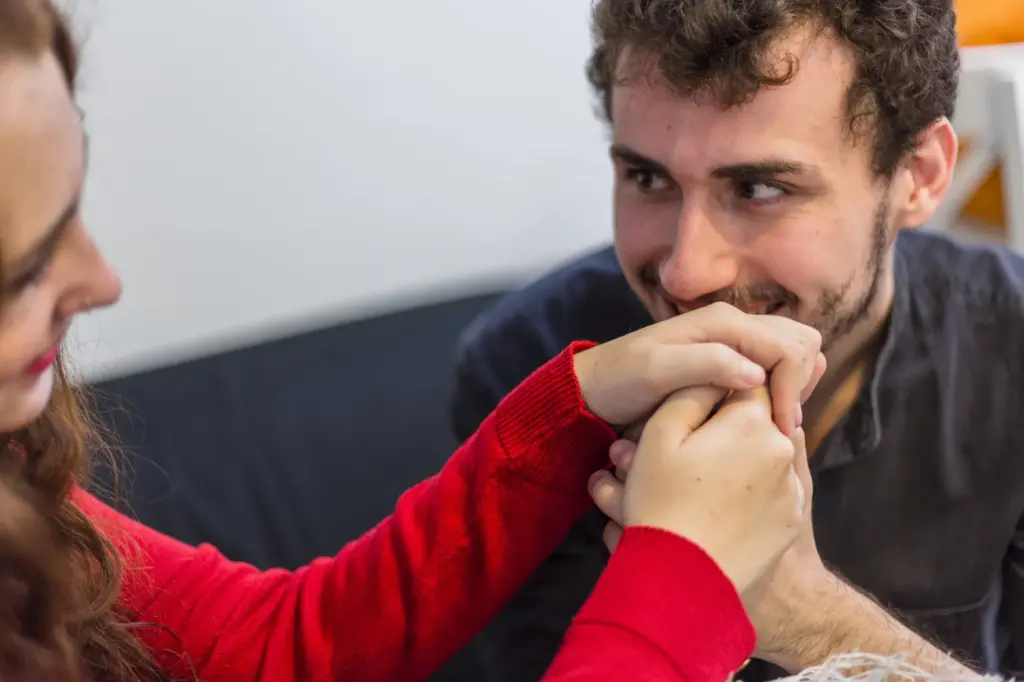
Begin gatherings with a single deep breath and a sentence: Here’s my focus, here’s my energy. This tiny liturgy invites honesty without oversharing, lets facilitators recalibrate pacing, and reminds everyone we work with humans, not just calendars, metrics, and slide decks.

Demo the Draft

Instead of polishing in private, schedule five-minute demos of rough work. Ask for reactions to clarity, usefulness, and one risk worth taking. Regular exposure therapy dissolves perfectionism, accelerates iteration, and builds collective taste, while helping quieter colleagues contribute earlier, when changes are easiest.

Lagging and Leading, Side by Side

Pair weekly counts of outreach and drafts with monthly snapshots of outcomes, like approvals, resolved issues, or signups. The pairing prevents discouragement, reminding you today’s brave attempts seed tomorrow’s results. Patterns emerge without panic, guiding adjustments grounded in reality rather than wishful thinking.

Quality Signals You Can Feel

Log moments when a listener quotes your words later, shares a message forward, or changes a plan because of your explanation. These qualitative echoes indicate clarity and resonance. Count them casually, then revisit monthly to notice growth arcs hidden behind formal metrics.

Sustaining Momentum Over Months

Momentum thrives on companionship, novelty, and forgiveness. Form tiny cohorts, collect fresh prompts, and reset gently after interruptions. Celebrate consistent effort more than dramatic peaks. Over time, the identity shift matters most: you become someone who communicates creatively by default, even on imperfect days. Share your favorite ritual below and subscribe for new experiments.